

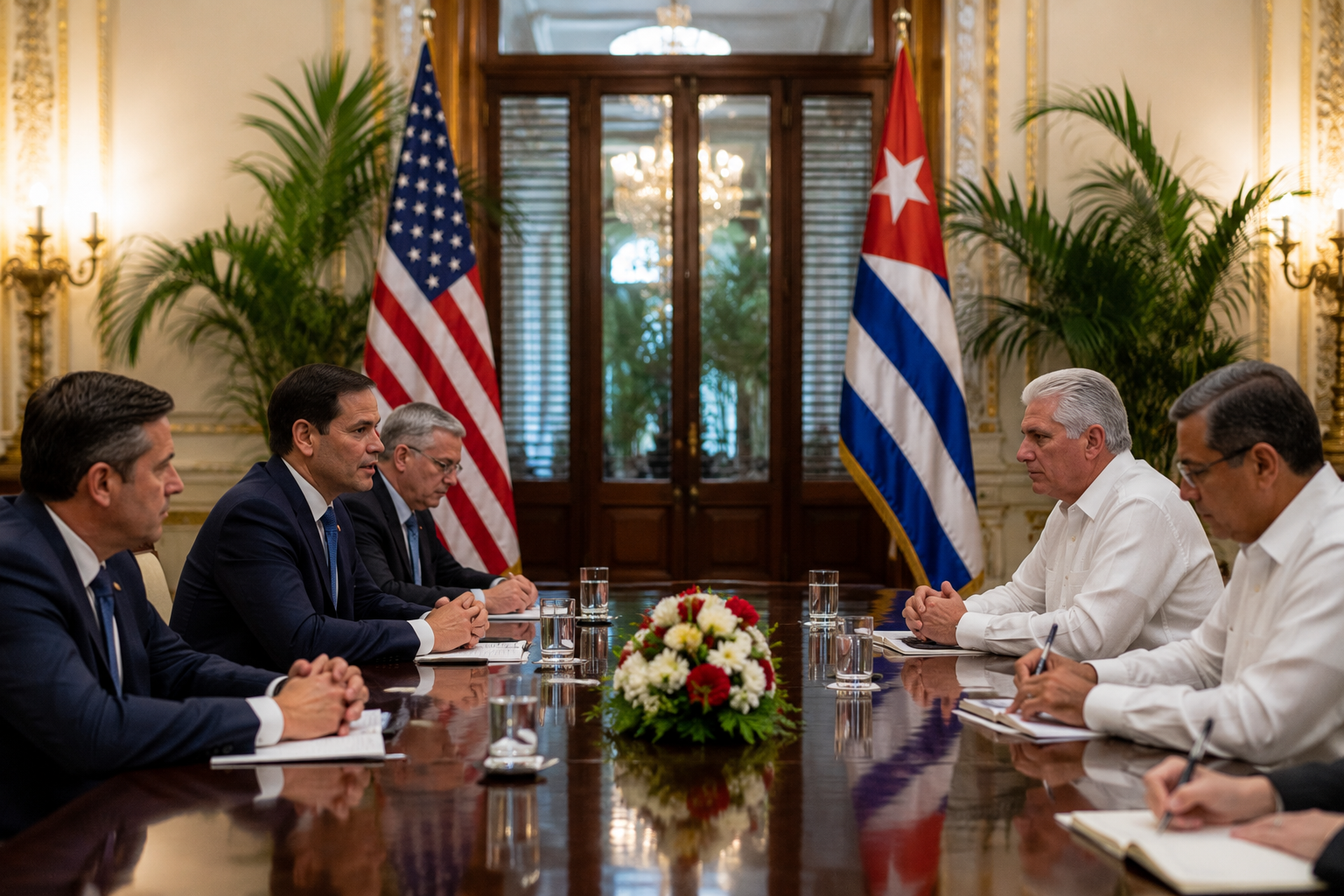
The CIA Cuba meeting has captured global attention as officials from the Cuban government sat down with CIA Director John Ratcliffe in Havana. This rare interaction comes at a time when relations between the two countries have been increasingly strained.
For decades, ties between the United States and Cuba have been complex and often tense. That is why this meeting stands out. The CIA Cuba meeting is not just another diplomatic event, it signals a moment where communication continues despite rising challenges.
Let’s explore what happened, why it matters, and what it could mean for the future of international relations.
Why the CIA Cuba Meeting Matters
The CIA Cuba meeting is important because it reflects direct communication between two countries with a long history of disagreement.
Even during periods of tension, such meetings show that dialogue remains possible. This is a key part of global diplomacy.
The significance of this meeting includes:
- Maintaining communication channels
- Addressing security concerns
- Managing political tensions
In simple terms, talking, even during difficult times, is better than silence.
Background of US-Cuba Relations
A Long History of Tension
Relations between the United States and Cuba have been strained for decades. Political differences and past conflicts have shaped how both countries interact.
This context makes the CIA Cuba meeting even more important.
Recent Developments
In recent years, relations have seen both improvements and setbacks. Periods of cooperation have been followed by renewed tension.
This ongoing cycle explains why meetings like this attract global attention.
Key Details from the Havana Meeting
Meeting with CIA Director John Ratcliffe
The CIA Cuba meeting involved John Ratcliffe, who represents one of the most important intelligence agencies in the United States.
His presence highlights the seriousness of the discussion.
Cuban Government Participation
Officials from the Cuban government also took part in the talks. This shows that both sides were willing to engage directly.
Such interactions are not common, which adds to the importance of the event.
5 Surprising Signals from the CIA Cuba Meeting
1. Continued Dialogue Despite Tension
Even though relations are strained, both sides chose to communicate. This is a strong signal that dialogue remains open.
2. Focus on Security Issues
Meetings involving intelligence agencies often focus on security concerns. This suggests that both countries are addressing sensitive matters.
3. Strategic Importance of Havana
Holding the meeting in Havana shows Cuba’s role in the discussion. It also highlights the importance of location in diplomacy.
4. Quiet Diplomacy in Action
The CIA Cuba meeting reflects how diplomacy often happens behind the scenes. Not all discussions are public, but they can still be impactful.
5. Potential for Future Engagement
While one meeting does not change everything, it can open the door for future talks.
Global Reactions to the Meeting
Interest from International Observers
Observers around the world are paying attention to the CIA Cuba meeting. Such events can influence regional and global politics.
Mixed Interpretations
Some view the meeting as a positive step toward dialogue. Others remain cautious, noting that tensions still exist.
This range of reactions shows how complex international relations can be.
What This Means for US-Cuba Relations
The CIA Cuba meeting could have several implications for future relations.
Maintaining Communication Channels
Even during difficult times, keeping communication open helps prevent misunderstandings.
Possibility of Policy Changes
While no immediate changes are expected, ongoing dialogue can influence future decisions.
Managing Conflict
Direct talks can help manage disagreements before they escalate.
The Role of Intelligence Diplomacy
Meetings involving intelligence officials are different from traditional diplomatic talks.
They often focus on:
- Security cooperation
- Risk management
- Information sharing
The CIA Cuba meeting highlights the importance of this type of diplomacy in modern international relations.
Behind the Scenes: Quiet Negotiations
Many important discussions happen away from public attention. The CIA Cuba meeting is an example of how quiet diplomacy works.
These meetings allow leaders to speak openly and address sensitive issues.
While details may not always be shared, the impact can still be significant.
What Could Happen Next
The future of the CIA Cuba meeting will depend on how both sides move forward.
Possible outcomes include:
- Continued dialogue between officials
- Further meetings in the future
- Efforts to reduce tension
While uncertainty remains, communication is a positive step.
Final Thoughts
The CIA Cuba meeting in Havana is a powerful reminder that dialogue remains essential, even during challenging times. As John Ratcliffe met Cuban officials, the message was clear, communication continues despite differences.
This meeting does not solve all issues, but it shows that both sides are willing to engage. In global politics, even small steps can lead to meaningful change.
As the situation develops, the world will be watching closely. Staying informed will help us understand how such meetings shape the future of international relations.
Read Another Interesting news here: Philippine Senate Shooting
