

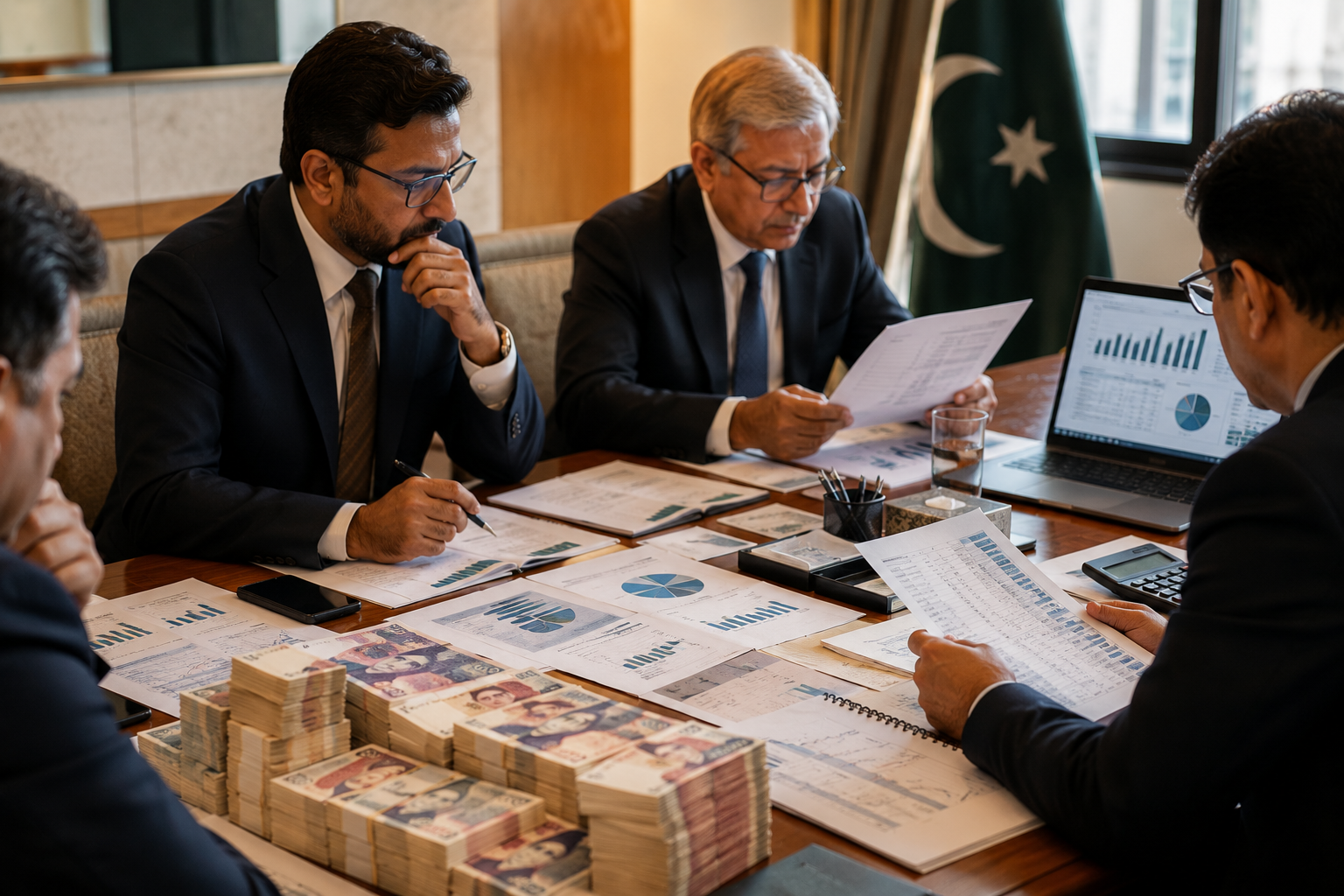
The debate around unforeseen budget allocation has intensified as Pakistan prepares its upcoming fiscal plan. Reports suggest that around Rs425 billion may be reserved for unexpected expenses, making it one of the most discussed elements of the budget.
This development has drawn attention from economists, policymakers, and the general public. While such allocations are not unusual, the scale of this amount has raised serious questions about financial planning and transparency.
In a time when the economy is already under pressure, every decision matters. That is why this unforeseen budget allocation is being closely examined from multiple angles.
Understanding the Concept of Unforeseen Budget Allocation
An unforeseen budget allocation refers to funds set aside for emergencies or unexpected situations. Governments often include such reserves to ensure they can respond quickly to sudden challenges.
These funds may be used for:
- Natural disasters such as floods or earthquakes
- Sudden economic shocks
- Urgent national security needs
- Unexpected policy changes
While the idea is practical, the concern usually lies in how these funds are managed and monitored.
Why Rs425 Billion Is a Significant Figure
Scale Compared to Other Budget Items
The proposed Rs425 billion is not a small amount. In fact, it represents a large portion of public funds that could otherwise be used for development projects or social services.
This is why many experts are questioning whether such a high allocation is necessary.
Timing of the Allocation
The timing also matters. Pakistan is currently facing economic challenges, including inflation and fiscal pressure.
In such conditions, allocating a large sum for unforeseen purposes can create additional concerns about priorities.
Key Reasons Behind the Large Allocation
Economic Uncertainty
One of the main reasons for a large unforeseen budget allocation is uncertainty. When the future is unpredictable, governments prefer to keep extra funds available.
This allows them to act quickly when needed.
Emergency Preparedness
Pakistan has experienced natural disasters in the past. Having funds ready can help the government respond faster without delaying relief efforts.
Policy Flexibility
Another reason is flexibility. Governments may need to adjust policies during the year, and such funds provide the room to do so.
However, flexibility should always come with accountability.
Concerns Around Transparency and Accountability
Lack of Clear Breakdown
One of the biggest concerns is that unforeseen budget allocation does not always come with detailed plans.
Without a clear breakdown, it becomes difficult to track how the money is spent.
Risk of Misuse
Whenever large sums are not tied to specific projects, there is a risk of misuse or inefficient spending.
This is why experts stress the need for strong monitoring systems.
Public Trust Issues
Transparency plays a key role in building public trust. When people do not understand where funds are going, it can lead to doubts and criticism.
Impact on Development and Public Services
A large unforeseen budget allocation can affect other sectors of the economy.
When funds are reserved for emergencies, less money may be available for planned projects such as:
- Infrastructure development
- Education programs
- Healthcare improvements
- Social welfare initiatives
This creates a difficult balance between preparing for the unexpected and investing in long-term growth.
Expert Opinions on the Allocation
Support for Financial Cushion
Some economists believe that having a strong financial cushion is a smart move. It ensures that the government is prepared for any situation.
In uncertain times, this approach can prevent bigger problems.
Concerns Over Budget Discipline
On the other hand, some experts argue that such a large unforeseen budget allocation may reflect weak planning.
They believe that better forecasting could reduce the need for such high reserves.
Public Reaction and Political Debate
The announcement of a possible Rs425 billion allocation has sparked debate among the public and political circles.
Demand for Clarity
Many citizens are asking for more details about how the funds will be used. Clear communication is seen as essential.
Questions About Priorities
There are also concerns about whether this money could be better spent on immediate public needs.
This debate highlights the importance of transparency in financial decisions.
Comparison with Previous Budget Trends
Unforeseen allocations have been part of past budgets, but the current figure stands out.
Compared to previous years, Rs425 billion is considered a significant increase. This has added to the attention and concern surrounding the proposal.
It shows a shift in how the government is approaching financial planning in uncertain times.
Long-Term Implications for the Economy
The impact of this unforeseen budget allocation will depend on how it is used.
Positive Outcomes
If managed properly, these funds can:
- Provide quick relief during emergencies
- Support economic stability
- Prevent delays in urgent actions
Negative Outcomes
However, poor management can lead to:
- Wasted resources
- Increased fiscal pressure
- Reduced funding for development
This makes proper oversight extremely important.
The Need for Strong Monitoring Mechanisms
To ensure effective use of funds, monitoring systems must be strengthened.
Key steps could include:
- Regular reporting on spending
- Independent audits
- Clear guidelines for fund usage
These measures can help improve accountability and public confidence.
What to Watch in the Upcoming Budget
As the final budget is presented, several factors will be important to watch:
- Whether the Rs425 billion figure is confirmed
- How the government explains the allocation
- What monitoring mechanisms are introduced
These details will shape how the public and experts respond.
Final Thoughts
The proposed unforeseen budget allocation of Rs425 billion has become one of the most important topics in Pakistan’s upcoming budget. It reflects both the need for preparedness and the challenges of financial planning.
While setting aside funds for emergencies is necessary, the size of this allocation makes transparency and accountability more important than ever.
Moving forward, the government must strike a balance between flexibility and responsible spending. Clear communication and strong oversight will be key to ensuring that these funds serve the public interest.
As the situation develops, staying informed will help everyone understand how this decision impacts the economy and daily life.
Read Another Interesting news here: LinkedIn Paid Events
