

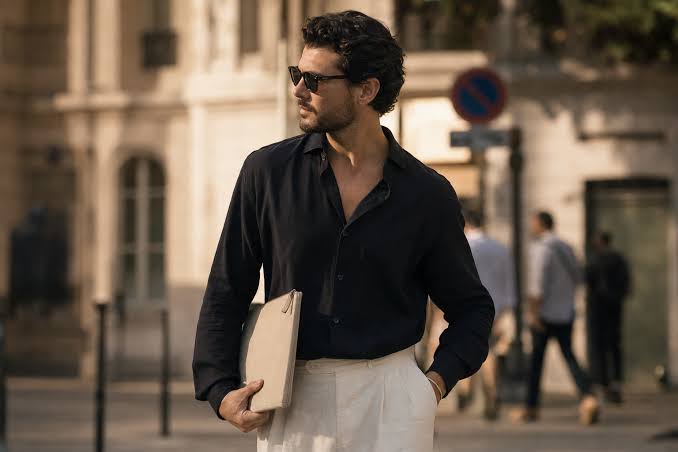
Relaxed clothing offers room to move and plenty of possibilities for styling, but the overall shape still deserves attention. An outfit can feel deliberate without every garment being fitted, and generous proportions do not have to mean excessive length everywhere. The useful question is how the pieces relate to one another. Looking at shoulders, hems, and footwear as parts of one outline makes it easier to create a comfortable outfit with a clear sense of balance.
Choose where the volume will sit
Start with the piece that defines the outfit’s shape. Wide trousers create a different outline from a roomy hoodie, even when both feel equally relaxed. Decide whether you want volume concentrated in one area or spread throughout the look. There is no requirement to pair a loose garment with a tight one. Two generous shapes can work when their lengths and transitions feel considered.
If you are considering a relaxed Corteiz piece, compare its listed measurements with a garment you already enjoy wearing. Pay attention to more than the size label. Shoulder width, body length, and trouser rise can change the result noticeably. Use those comparisons to choose the outline you want, then check that the piece remains comfortable while sitting, walking, and reaching.
Compare your outfit with a version that changes only one proportion. Keep the trousers and shoes, then try a different top length. This makes the effect easier to recognize than changing everything at once. You may discover that the amount of volume is comfortable, while a particular hem position is what needs adjustment.
Relaxed fit is also personal. The same garment can sit differently depending on the wearer’s measurements and how they prefer their clothes to hang. Use photographs and size guides as starting points, then judge the result through movement and comfort. A size label alone cannot tell you whether the final outfit will feel right.
Pay attention to where hems meet
The meeting point between a top and trousers can change how the outfit reads. A longer top may create a continuous, loose outline, while a shorter layer can make the trouser shape more visible. Try both before deciding what feels right. If several layers finish at almost the same point, adjust one of them so the difference appears intentional rather than accidentally uneven.
Trouser length matters for practical reasons as well as appearance. Check the hem while wearing the shoes you intend to use. Fabric that gathers heavily may obscure the footwear or drag underfoot. A small alteration can make an otherwise comfortable pair easier to wear, but first consider whether the existing length is part of the look you actually want and can manage safely.
Consider whether a visible waistband helps define the shape you want. A shorter top may reveal more of the trousers, while an open layer can create vertical edges around a longer base. Try these options with clothes you already own. You may find a comfortable middle ground without needing to choose a completely different fit.
If you are considering alterations, wear the intended shoes and explain how you want the garment to behave. Ask about the effect on the original shape before shortening or tapering anything. A change to the hem can influence the way the rest of the leg falls, so assess the whole garment rather than one measurement.
Connect the trousers and footwear
Shoes form the base of the silhouette. A substantial shoe can visually support a wide trouser leg, while a slimmer option creates a different kind of contrast. Try your existing footwear before assuming you need something new. Look at the outfit from the front and side, because the way the fabric falls over the shoe may be clearer from a different angle.
Consider how much footwear you want visible. A cropped hem makes the shoe and sock part of the design, while a longer hem may keep the focus on the trousers. Neither arrangement needs an elaborate styling rule. Choose what suits your activities and preferences, then check that walking and stairs feel comfortable. A successful proportion should work in motion as well as in a photograph.
Try your footwear choices with the same trousers in ordinary light. A shoe’s color can change its visual prominence even when the shape stays similar. Dark footwear may blend into dark trousers, while a lighter pair creates a clearer break. Choose the relationship you enjoy rather than assuming that one combination is universally more flattering.
Make the walking test realistic. Use the stairs if that is part of your day, and check whether the trouser hem catches when you sit and stand. If you routinely carry a bag, include it too. These checks help distinguish a deliberate relaxed outline from excess fabric that becomes inconvenient in normal use.
Use small adjustments before changing everything
If an outfit feels shapeless, change one element at a time. Open the jacket, try a shorter outer layer, or switch to trousers with a different rise. You can also simplify accessories when the clothes already create a strong outline. A bag worn across the body may alter how a roomy top hangs, so include it when checking the finished combination.
Keep the adjustments connected to your own comfort. Constantly pulling at a hem or rearranging a sleeve can make an otherwise appealing outfit frustrating. Repeat combinations that move well and make getting dressed straightforward. Over time, those observations will give you a reliable sense of the relaxed proportions you enjoy, without turning personal style into a rigid set of measurements.
Photographs can help you compare silhouettes, but they are only one way to assess the outfit. A camera angle may emphasize a proportion differently from the way you see it in person. Use the photograph to identify a possible adjustment, then check the result in a mirror and while moving before deciding.
Keep a record of combinations that feel easy to wear. Note the trouser shape, top length, and footwear rather than only the brand names. Those details are more useful when recreating an effect with different pieces. As your preferences change, you can adapt the formula without rebuilding your entire wardrobe from the beginning.
Choose one proportion to test
Build an outfit around your favorite relaxed garment, then prepare two alternatives for the piece beside it. Compare the outlines and try each version while moving. Keep the combination that feels comfortable and deliberate, even if it differs from a reference image. That simple experiment can reveal more than adding another accessory. Continue your reading at Twink News.
