

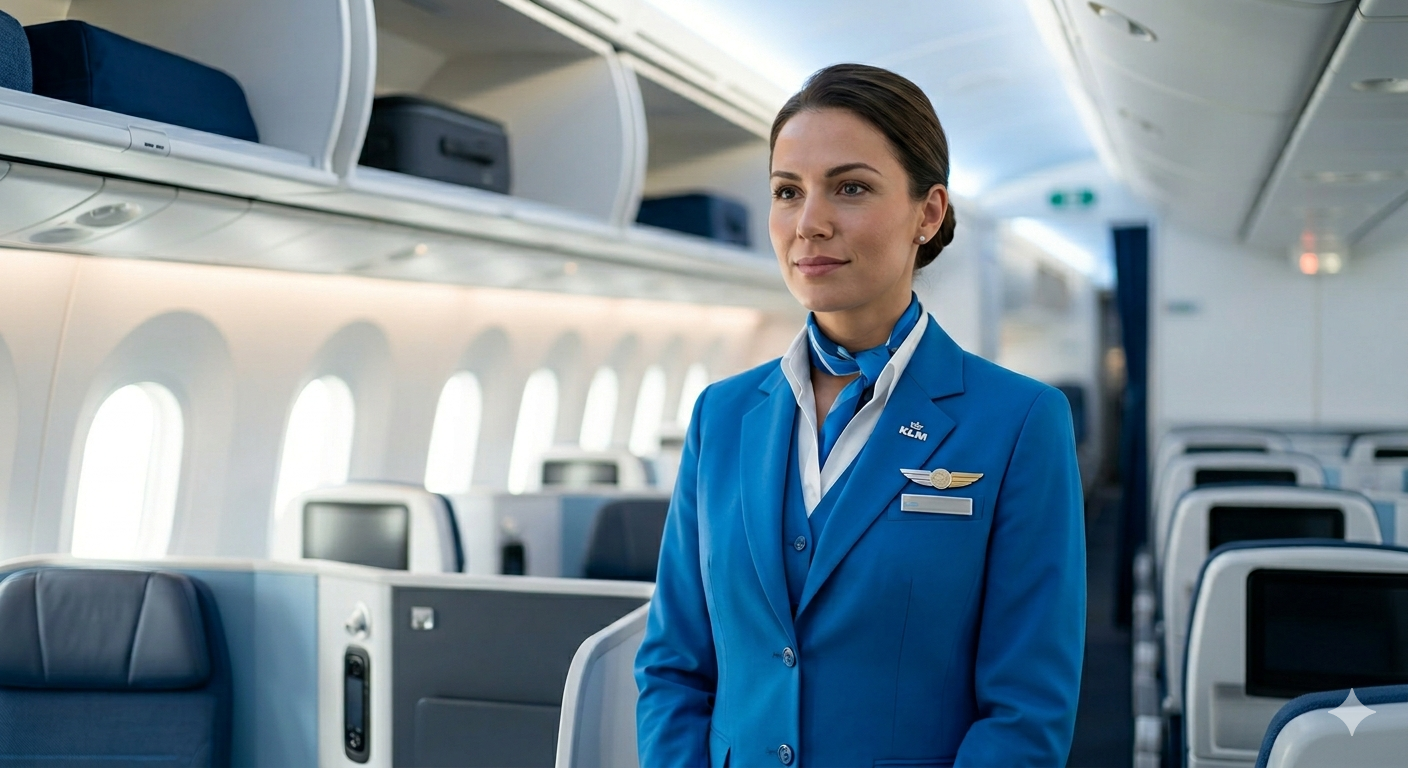
In the world of international travel, news about health and safety spreads faster than a jet engine. Recently, a story involving a KLM flight attendant hantavirus scare made waves across the globe, causing concern for travelers and airline staff alike. Everyone wanted to know: was there a new health threat lurking in the skies?
Thankfully, we finally have clarity. Following a series of rigorous medical tests, health authorities have released a definitive update. This situation reminds us how interconnected our world is and why rapid health reporting is so vital for modern aviation.
The WHO Confirmation on the KLM Flight Attendant Hantavirus Case
On May 8, 2026, the World Health Organization (WHO) provided a major update regarding the suspected infection. After the initial reports caused a stir, the WHO confirmed that the individual involved in the KLM flight attendant hantavirus scare has officially tested negative for the virus.
This news brought a massive sigh of relief to the airline industry. The flight attendant had been under close medical observation after showing symptoms that raised red flags. However, the laboratory results have now cleared the air, proving that the illness was not what officials first feared.
Why the KLM Flight Attendant Hantavirus Story Gained Attention
You might wonder why a single suspected case of illness made international headlines. The answer lies in the nature of the virus itself. Because hantaviruses can be serious, health officials do not take any chances when a crew member who travels across borders falls ill.
The Initial Symptoms and Protocol
When the crew member first reported feeling unwell, the airline followed strict safety protocols. The KLM flight attendant hantavirus suspicion was taken seriously because air crews interact with hundreds of passengers from different countries daily. Quick isolation and testing are standard procedures to prevent any potential spread.
Public Reaction and Travel Concerns
As soon as the words “hantavirus” and “flight attendant” were linked, social media and news outlets began to buzz. Travelers were naturally worried about whether they had been exposed on recent flights. The KLM flight attendant hantavirus investigation became a top priority for health departments in multiple regions.
Understanding the Hantavirus and How It Spreads
To understand the weight of the KLM flight attendant hantavirus investigation, it helps to know what this virus actually is. Unlike common colds or the flu, hantaviruses are typically carried by rodents.
How Humans Usually Get Sick
Most people catch a hantavirus by breathing in dust that is contaminated with rodent droppings, urine, or saliva. It is not a disease that typically spreads from person to person. This fact was one reason why experts were skeptical but cautious during the KLM flight attendant hantavirus scare.
Common Signs to Watch For
The symptoms of this virus can often look like other illnesses at first. People might experience:
- High fever and chills
- Severe muscle aches
- Headaches and dizziness
- Nausea or stomach pain
Because these symptoms are so general, medical professionals must use specific blood tests to confirm if it is truly a hantavirus case.
The Role of KLM in Ensuring Passenger Safety
Throughout the KLM flight attendant hantavirus investigation, the airline remained transparent. KLM is known for having some of the highest safety standards in the sky. They worked hand-in-hand with health experts to ensure that no stone was left unturned.
Aircraft Sanitation Measures
Modern airplanes are equipped with advanced air filtration systems called HEPA filters. These filters are incredibly efficient at trapping viruses and bacteria. Even during the KLM flight attendant hantavirus scare, the risk to passengers remained extremely low because of these high-tech systems.
Supporting the Crew Member
The airline also focused on the well-being of their staff. Dealing with a health scare like the KLM flight attendant hantavirus situation is stressful. The company ensured the individual received the best possible care while waiting for the WHO to finalize the results.
How Health Officials Track Potential Outbreaks
The WHO and other health agencies use a global network to track diseases. When the KLM flight attendant hantavirus report first came in, it was logged into a system that alerts different countries. This “early warning” style of communication is what keeps us safe from major pandemics.
The Importance of Negative Results
While a negative result might seem like “no news,” it is actually very important. It tells scientists that current safety measures are working and that there isn’t a new outbreak starting in a specific region. The KLM flight attendant hantavirus negative test is a win for public health.
Travel Safety Tips for International Passengers
While the KLM flight attendant hantavirus case turned out to be a false alarm, it serves as a good reminder to stay healthy while traveling. Flying involves being in close quarters with others, so a few simple habits can go a long way.
Stay Hydrated and Rested
Long flights can take a toll on your immune system. Drinking plenty of water and getting rest before you fly helps your body stay strong against common germs.
Practice Good Hygiene
Wiping down your tray table and washing your hands frequently are simple steps. Although the KLM flight attendant hantavirus scare wasn’t about a contagious respiratory virus, general hygiene is always a smart move.
Lessons Learned from the KLM Flight Attendant Hantavirus Scare
Every time a situation like the KLM flight attendant hantavirus investigation happens, the medical community learns something new. It tests the speed of our laboratories and the communication between airlines and the WHO.
Faster Testing Capabilities
One takeaway is the need for rapid testing. The faster we can move from a “suspected case” to a “negative result,” the less panic occurs in the public. The KLM flight attendant hantavirus case was handled relatively quickly, preventing long-term travel disruptions.
Clear Communication is Key
When the WHO confirmed the negative result for the KLM flight attendant hantavirus case, they did so clearly and professionally. This helps maintain trust in the travel industry and ensures that people feel safe booking their next holiday or business trip.
Final Thoughts
The saga of the KLM flight attendant hantavirus scare has officially come to an end with a clean bill of health. It was a moment of high tension that proved our global health monitoring systems are active and alert. Because the individual tested negative, we can all breathe a little easier knowing the skies remain safe.
Health scares will always happen, but the way we respond to them makes all the difference. This KLM flight attendant hantavirus update shows that protocol and science are our best tools for staying safe.
Are you planning to fly soon? Does news like this change how you feel about air travel? We would love to hear your thoughts in the comments below! Stay safe and happy travels.
Read Another Interesting news here: Iran War Ceasefire Update
