

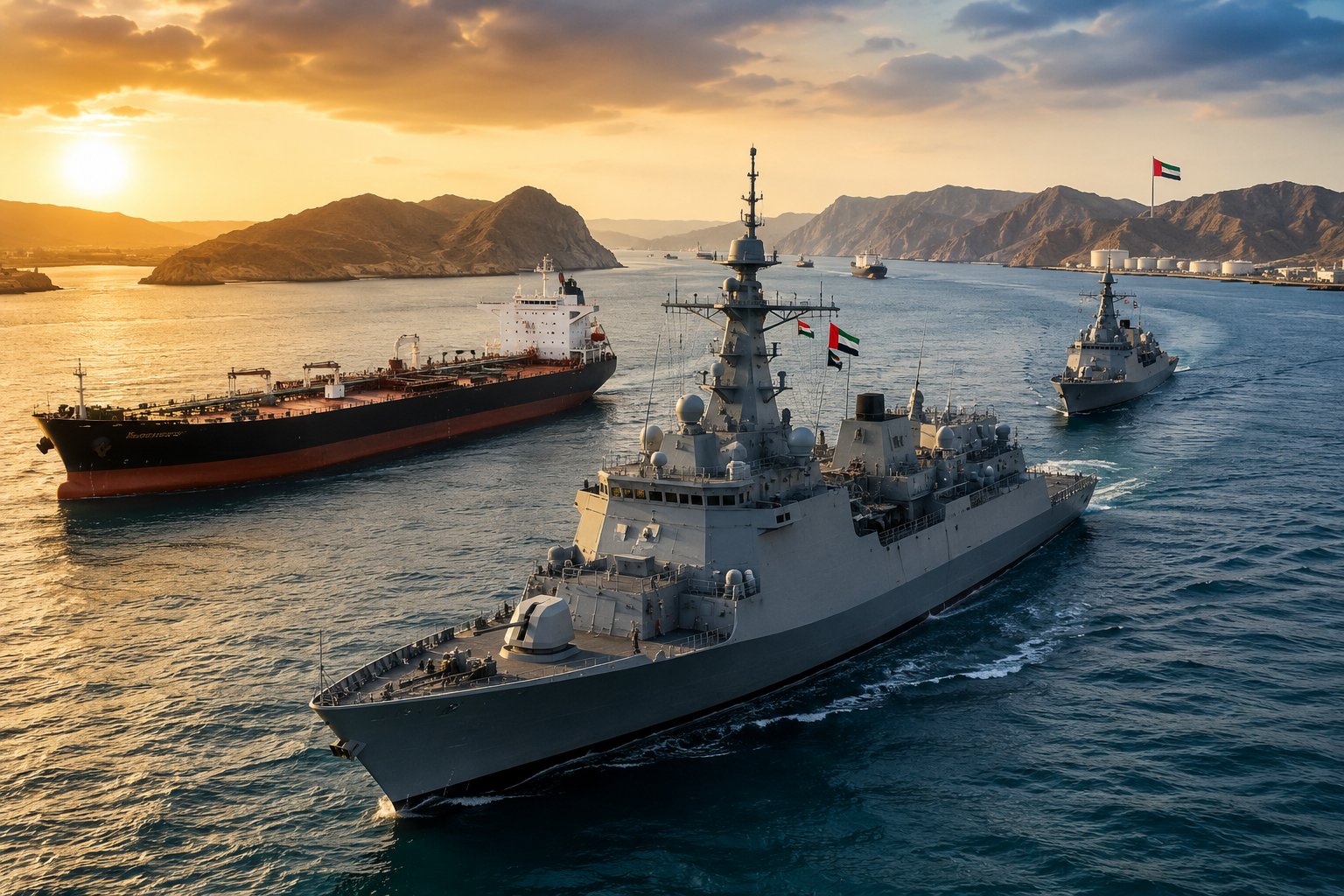
The Strait of Hormuz tensions are once again making headlines, as increased naval activity by Iran near waters close to the United Arab Emirates (UAE) raises serious concerns. This narrow passage is one of the most important routes in the world, especially for oil transport.
Right now, the Strait of Hormuz tensions are not just a regional issue, they are a global concern. From energy prices to international security, what happens here affects millions of people worldwide.
Let’s take a deeper look at what is happening, why it matters, and what could come next.
Why the Strait of Hormuz Is So Important
The Strait of Hormuz tensions carry weight because of the location’s unique importance. This narrow waterway connects the Persian Gulf with the Arabian Sea, making it a key route for global oil shipments.
A large share of the world’s oil passes through this strait every day. Because of this, even a small disruption can create a major impact.
Here’s why this region is critical:
- It is one of the busiest oil shipping routes in the world
- It connects major oil-producing countries to global markets
- It directly affects global energy supply and pricing
Because of these factors, the Strait of Hormuz tensions quickly become a global issue.
What Is Driving the Current Strait of Hormuz Tensions
Increased Naval Activity by Iran
One of the main reasons behind the rising Strait of Hormuz tensions is the increased naval presence by Iran. Iranian forces have been more active in the area, particularly near shipping lanes.
This activity has caught the attention of regional countries and global powers alike.
Activity Near UAE Waters
Another major concern is how close these movements are to the UAE’s waters. This raises the risk of misunderstandings or accidental incidents.
The closer military forces operate to each other, the higher the chance of tension rising quickly.
6 Urgent Risks Linked to Strait of Hormuz Tensions
1. Disruption of Oil Supply
The biggest concern with Strait of Hormuz tensions is the potential impact on oil shipments. Any disruption could lead to shortages and higher prices globally.
2. Risk of Military Conflict
Increased naval activity raises the chances of confrontation. Even a small mistake could escalate into a larger conflict.
3. Pressure on Global Trade
This route is not just about oil. Many goods pass through it. Rising tensions could affect global shipping and increase costs.
4. Regional Instability
Neighboring countries may respond by strengthening their military presence, which could increase overall instability.
5. Involvement of Global Powers
Major countries may step in to protect their interests, increasing political pressure in the region.
6. Economic Uncertainty
Markets react quickly to risk. The Strait of Hormuz tensions can influence investor confidence and global economic stability.
How the World Is Responding to Strait of Hormuz Tensions
Regional Response
Countries in the Middle East, especially the UAE, are closely watching the situation. There is a clear effort to maintain security while avoiding direct conflict.
Leaders are focusing on monitoring the situation carefully.
Global Reaction
Beyond the region, global powers are also paying close attention. The Strait of Hormuz tensions affect international trade and energy supply, making this a worldwide concern.
Diplomatic discussions are likely taking place behind the scenes to prevent escalation.
The Role of Naval Forces in Strait of Hormuz Tensions
Naval forces are central to the current situation. Ships patrol the waters, monitor activity, and protect trade routes.
During the ongoing Strait of Hormuz tensions, naval presence sends strong signals. It shows both readiness and caution.
Key roles of naval forces include:
- Protecting shipping lanes
- Monitoring potential threats
- Demonstrating military strength
However, increased presence also raises the risk of accidental clashes.
Economic Impact of Strait of Hormuz Tensions
The Strait of Hormuz tensions have a direct effect on the global economy. Energy markets are especially sensitive to any changes in this region.
When tensions rise, several things can happen:
- Oil prices may increase quickly
- Shipping insurance costs can rise
- Businesses may face uncertainty
These effects can spread across different industries and countries.
Behind the Scenes: Quiet Diplomacy Efforts
While the public sees naval movements, there is often quiet diplomacy happening in the background. Countries try to reduce tension through discussions and agreements.
The Strait of Hormuz tensions may involve ongoing talks that are not visible to the public. These efforts are crucial in preventing conflict.
Diplomacy helps:
- Reduce misunderstandings
- Build communication between nations
- Prevent escalation
What Could Happen Next
The future of the Strait of Hormuz tensions is uncertain. Several outcomes are possible depending on how the situation develops.
Possible scenarios include:
- Continued tension without direct conflict
- Increased diplomatic engagement
- Escalation if an incident occurs
The actions of regional and global leaders will shape what happens next.
Final Thoughts
The Strait of Hormuz tensions highlight how important this small but powerful region is. What happens here can influence global trade, energy supply, and international relations.
While the situation remains tense, there is still hope that diplomacy will prevent conflict. Careful decisions and continued dialogue are essential at this stage.
As the world watches closely, staying informed about the Strait of Hormuz tensions is more important than ever. The coming days and weeks could shape the future of global stability.
Read Another Interesting news here: Trump China Visit
