

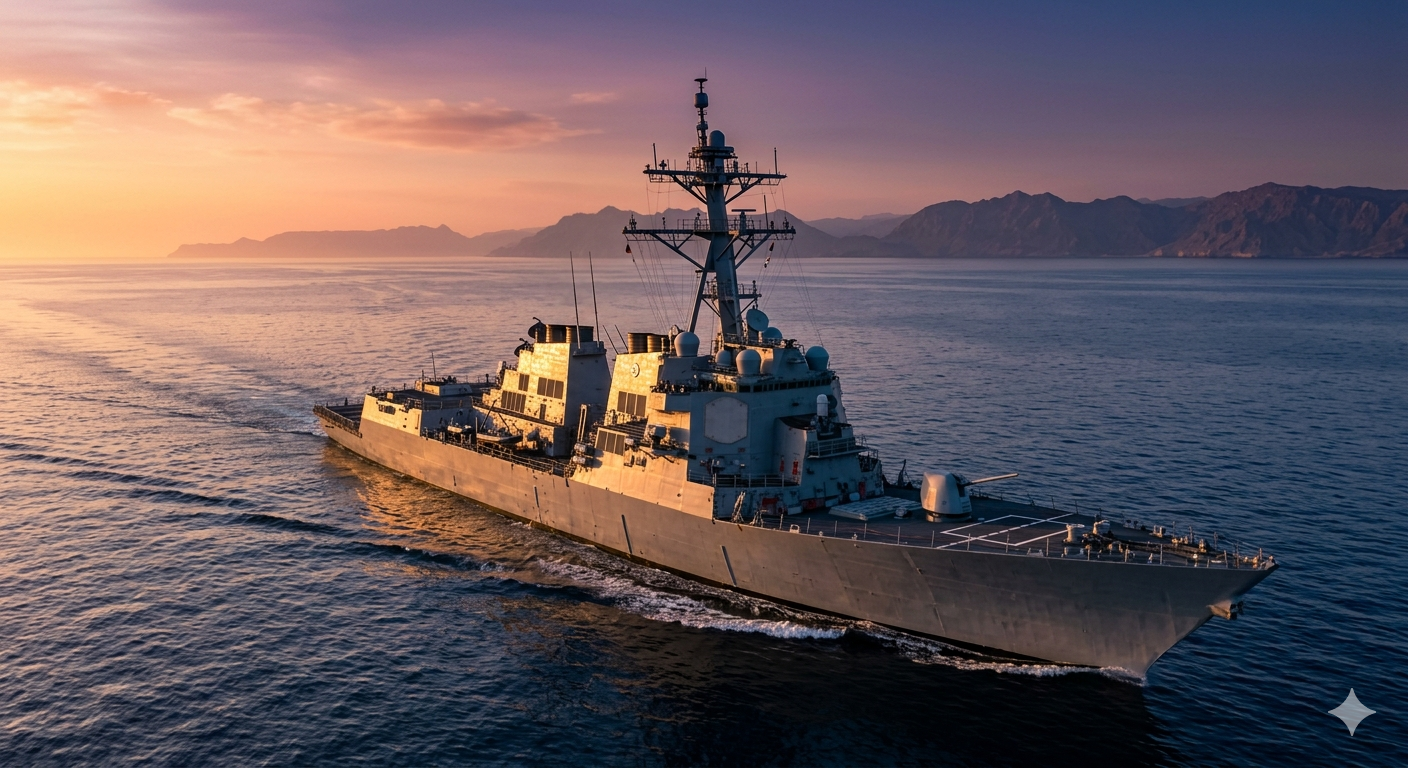
The global community caught a collective breath this week as the latest Trump Iran war news took an unexpected turn from the brink of total conflict toward a delicate diplomatic window. After days of rising tensions and military posturing in the Middle East, President Donald Trump announced a significant tactical pause. This decision comes at a moment when the world feared a massive escalation was inevitable.
Instead of further strikes, the administration is now pivoting toward a structured negotiation phase. This shift in the Trump Iran war news cycle is not just about stopping missiles; it is a complex play involving regional allies, energy security, and the future of international trade. While the military remains on high alert, the focus has moved from the battlefield to the briefing room.
The 30-Day Window for Peace
A central piece of the current Trump Iran war news is the official announcement of a 30-day negotiation period. President Trump has signaled that this month-long window is a “final chance” for a diplomatic resolution before more aggressive measures are reconsidered. The goal is to reach a comprehensive agreement that addresses several long-standing points of contention between Washington and Tehran.
During this time, the United States expects to see a measurable reduction in hostile activities. This specific update in Trump Iran war news suggests that breathing room will allow neutral mediators to facilitate conversations that were previously impossible. However, officials have clarified that this is a “pause,” not a “stop,” meaning the military remains ready to pivot back if talks fail.
Key Objectives of the Negotiations
The White House has outlined specific milestones they hope to achieve during these thirty days.
- A permanent guarantee for the safe passage of commercial ships through the Strait of Hormuz.
- A verifiable framework to address the Iranian nuclear program once and for all.
- A formal mechanism to prevent future regional proxy attacks on US interests.
Saudi Arabia’s Decisive Role in the Crisis
You cannot discuss the latest Trump Iran war news without looking at the actions of Saudi Arabia. In a move that surprised many in Washington, the Kingdom took a firm stance regarding the use of its territory for military operations. Saudi leaders effectively blocked several logistical pathways that the US military had intended to use for the mission known as Operation Project Freedom.
Restricting Airspace and Bases
The logistical challenge became real when the Kingdom implemented strict limitations.
- US military aircraft were denied permission to use Prince Sultan Airbase for offensive sorties.
- The Saudi government closed its national airspace to combat missions targeting Iranian assets.
- This forced American commanders to quickly redraw their operational maps and seek alternative staging areas.
The Economic Impact of the Standoff
The conflict has already left a deep mark on the global economy, making Trump Iran war news a top priority for financial markets. The Strait of Hormuz remains a scene of gridlock and uncertainty. As the military pause begins, the commercial world is left picking up the pieces of a disrupted supply chain.
Thousands of Ships Still Stranded
The scale of the maritime backlog is staggering. Currently, nearly 2,000 vessels are caught in a state of limbo around the Persian Gulf.
- A fleet of 26 South Korean tankers remains stationary, waiting for security guarantees.
- Shipping insurance rates have skyrocketed, making it nearly impossible for smaller companies to operate.
- The memory of the explosion on the HMM Namu continues to haunt captains and crews in the region.
International Reactions to the Military Pause
The shift in Trump Iran war news has drawn reactions from leaders across the globe. While some are relieved, others remain deeply skeptical of the sudden change in tone. The diplomatic community is working overtime to ensure that this 30-day window isn’t wasted on empty rhetoric.
Support from Regional Neighbors
President Trump noted that he has been in close contact with Pakistan’s Prime Minister Shehbaz Sharif. Pakistan, along with other regional powers, has expressed a strong desire to avoid a war that would inevitably spill over its borders. These neighbors are acting as informal bridges during this tense period of Trump Iran war news.
The Beijing Factor: Trump’s Next Move
Many analysts believe the Trump Iran war news is being influenced by the President’s upcoming diplomatic calendar. In just one week, Donald Trump is scheduled to fly to China for a high-stakes summit with Xi Jinping.
It is widely believed that the President does not want to enter these critical trade negotiations while being bogged down in a new Middle Eastern war. This strategic pivot is a major reason why the Trump Iran war news has shifted toward a 30-day peace deal.
Final Thoughts
The latest Trump Iran war news offers a glimpse of hope in an otherwise dark situation. By choosing a 30-day negotiation window over immediate military escalation, the administration has opened a door for a peaceful resolution. However, the path forward is filled with obstacles, from skeptical allies to the massive economic backlog in the Strait of Hormuz.
The next month will be a defining period for Middle Eastern stability. If diplomacy fails, the world may see a return to the military tactics that were just put on hold. For now, the focus remains on whether these two nations can find common ground before the clock runs out. We must hope that cooler heads prevail for the sake of the global economy and the lives of those on the front lines.
What do you think about the 30-day pause? Is it a brilliant strategic move or just a delay of the inevitable? Let us know your thoughts in the comments below!
Read Another Interesting news here: Turning War into Power
