

The geopolitical landscape of the Middle East is currently standing on a razor’s edge. Following a series of intense military exchanges, the latest Iran war ceasefire update reveals a confusing and dangerous contradiction between words and actions. While the world watches with bated breath, the situation on the ground suggests that the fragile peace agreement is being tested like never before.
On May 8, 2026, reports emerged of direct military confrontations between United States forces and Iranian military units. Despite these clear signs of escalation, Donald Trump has publicly insisted that the Iran war ceasefire update remains the official status of the region. This discrepancy has left international observers wondering whether we are seeing a strategic pause or the beginning of a much larger conflict.
Direct Military Clashes Challenge the Iran War Ceasefire Update
The most significant flare-up occurred in the Strait of Hormuz, one of the world’s most critical maritime chokepoints. This narrow waterway is responsible for the passage of a huge portion of the world’s oil supply, and any disruption here threatens the validity of any Iran war ceasefire update.
Iranian Claims of US Violations Near the Strait
According to officials in Tehran, the United States violated the existing agreement by targeting an Iranian oil tanker in coastal waters. Additionally, a second vessel near the Fujairah port in the United Arab Emirates was reportedly hit. Iran also accused the US of conducting air strikes on civilian areas in Bandar Khamir, Sirik, and Qeshm Island, further complicating the Iran war ceasefire update.
The US Military Response and the State of the Truce
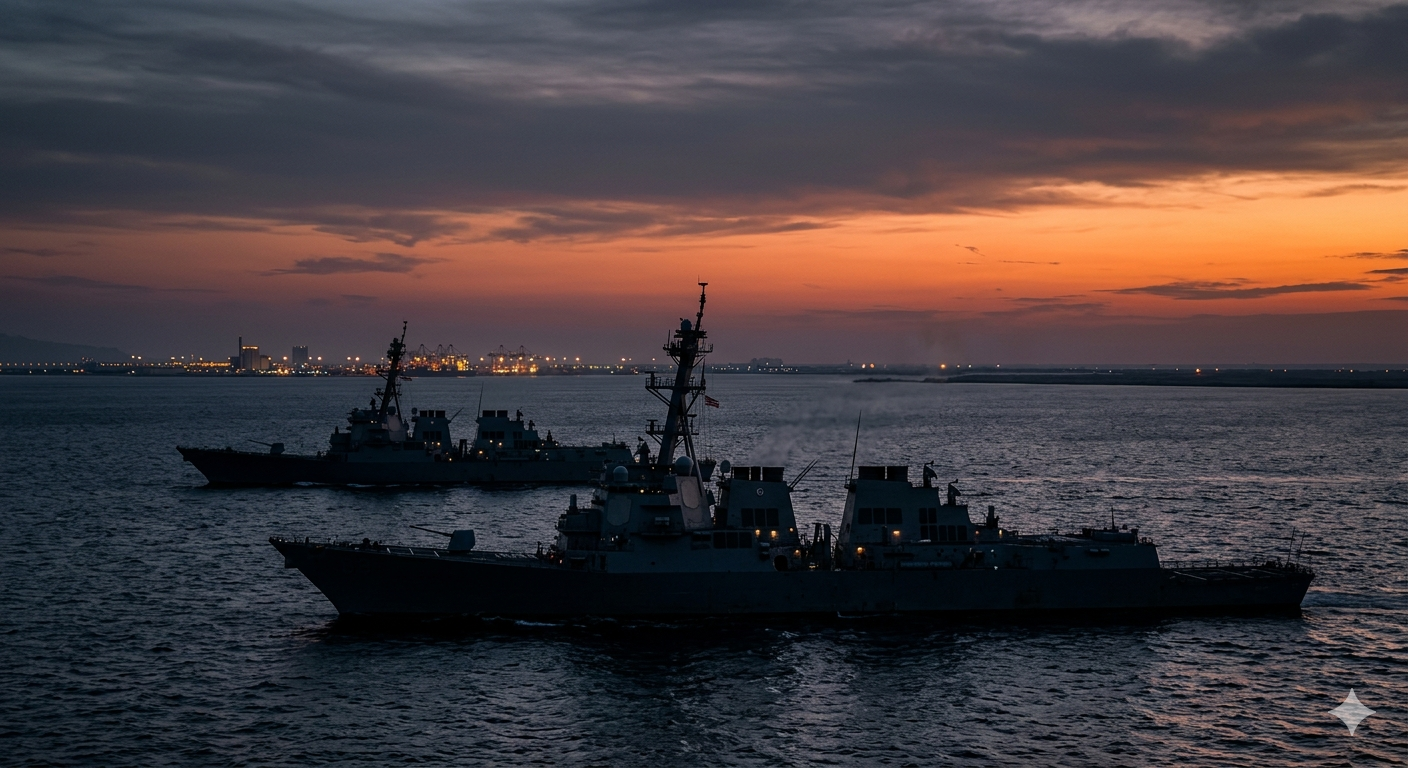
In contrast, the US military painted a different picture of the night’s events. They reported that their naval forces were forced to defend themselves against a wave of Iranian missiles, drones, and fast-boat attacks. The Pentagon stated that its response was targeted solely at “inbound threats,” yet many fear these actions have rendered the latest Iran war ceasefire update meaningless.
Trump’s Response to the Latest Iran War Ceasefire Update
Despite the heavy fire exchanged in the Gulf, President Donald Trump maintained a surprisingly calm public stance. Speaking to broadcast media regarding the Iran war ceasefire update, he characterized the American military action as a “love tap”.
Maintaining the Ceasefire Narrative Despite Strikes
Trump asserted that the Iran war ceasefire update is still in effect and remains the official status of the conflict. He emphasized that the truce is “going” and urged Iran to move quickly toward a more permanent agreement. However, his rhetoric was accompanied by a stern warning: Tehran must sign the truce agreement fast, or they will face further “pain”.
A Widening Diplomatic Gap in Negotiations
While Trump expresses optimism about the Iran war ceasefire update, diplomats on the ground tell a different story. Reports from Tehran indicate a “huge gap” between the two nations. Iranian officials have described several US demands as unreasonable and unrealistic, stalling progress on a lasting Iran war ceasefire update.
Regional Consequences of the Iran War Ceasefire Update
The ripples of this conflict are being felt far beyond the borders of the two primary combatants. The United Arab Emirates (UAE) has found itself in the crosshairs of these escalating tensions, despite the supposed Iran war ceasefire update.
Air Defenses Activated in the UAE
Authorities in the UAE were forced to activate air defense systems across the country on Friday morning. Blasts were reportedly heard off the coast of Abu Dhabi, near locations where US military assets are stationed. While the mainland has not yet come under direct attack, the shaky nature of the Iran war ceasefire update has kept the country on high alert.
Economic Consequences for Maritime Shipping
The war is also taking a heavy toll on the maritime industry. Gulf Marine Services (GMS), a firm based in the UAE, reported a 24% drop in first-quarter profits. This decline was largely due to the precautionary evacuation of vessels as the Iran war ceasefire update failed to provide security for commercial shipping.
Broader Impact of the Ongoing Conflict Beyond the Ceasefire
While the world focuses on the Strait of Hormuz, a separate but related tragedy is unfolding in Lebanon. Israeli forces have continued their attacks on southern towns, leading to a rising death toll that overshadows the Iran war ceasefire update.
- At least 11 people, including children, were killed in the towns of Doueir, Harouf, and Habboush.
- A member of the Lebanese civil defense was killed in a drone strike on the Rashaya-Kfarshouba road.
- The Israeli army has issued forced displacement orders for several towns, showing how fragile the Iran war ceasefire update truly is.
Global Energy Security and the Iran War Ceasefire Update
The ongoing blockade of the Strait of Hormuz is causing panic in the energy sector. South Korea recently saw its first oil tanker arrive since the blockade began, but energy markets remain skeptical of the Iran war ceasefire update.
Jet Fuel Shortages Across Europe
In Europe, the situation is becoming critical. Airlines have warned that they may run out of jet fuel within weeks if the Iran war ceasefire update doesn’t lead to open shipping lanes. Europe is heavily dependent on the Middle East for its transport fuel, with roughly 75% of its jet fuel coming from the region.
Mediation Efforts for a Permanent Iran War Ceasefire Update
Despite the exchange of missiles and heated rhetoric, the path of diplomacy has not been completely closed. Pakistan has emerged as a key mediator in securing a viable Iran war ceasefire update.
Reviewing the US Proposal via Pakistan
Iran’s Foreign Ministry has confirmed that they are still reviewing the latest proposal from the United States. There was hope that a response would be delivered through Pakistani mediators recently, but official confirmation of a renewed Iran war ceasefire update is still pending.
Final Thoughts
The current Iran war ceasefire update presents a confusing reality where “peace” exists only in name. While Donald Trump insists the ceasefire holds, the sound of explosions in the Strait of Hormuz tells a different story. The regional stakes are higher than ever, and a true Iran war ceasefire update is needed to stabilize global energy markets and protect civilian lives.
The coming days will be crucial. If Iran accepts the US proposal, we may see a genuine de-escalation. However, if the “love taps” continue, the Iran war ceasefire update may collapse entirely. What do you think about the current situation? Share your thoughts in the comments!
Read Another Interesting news here: KLM Flight Attendant Hantavirus
