

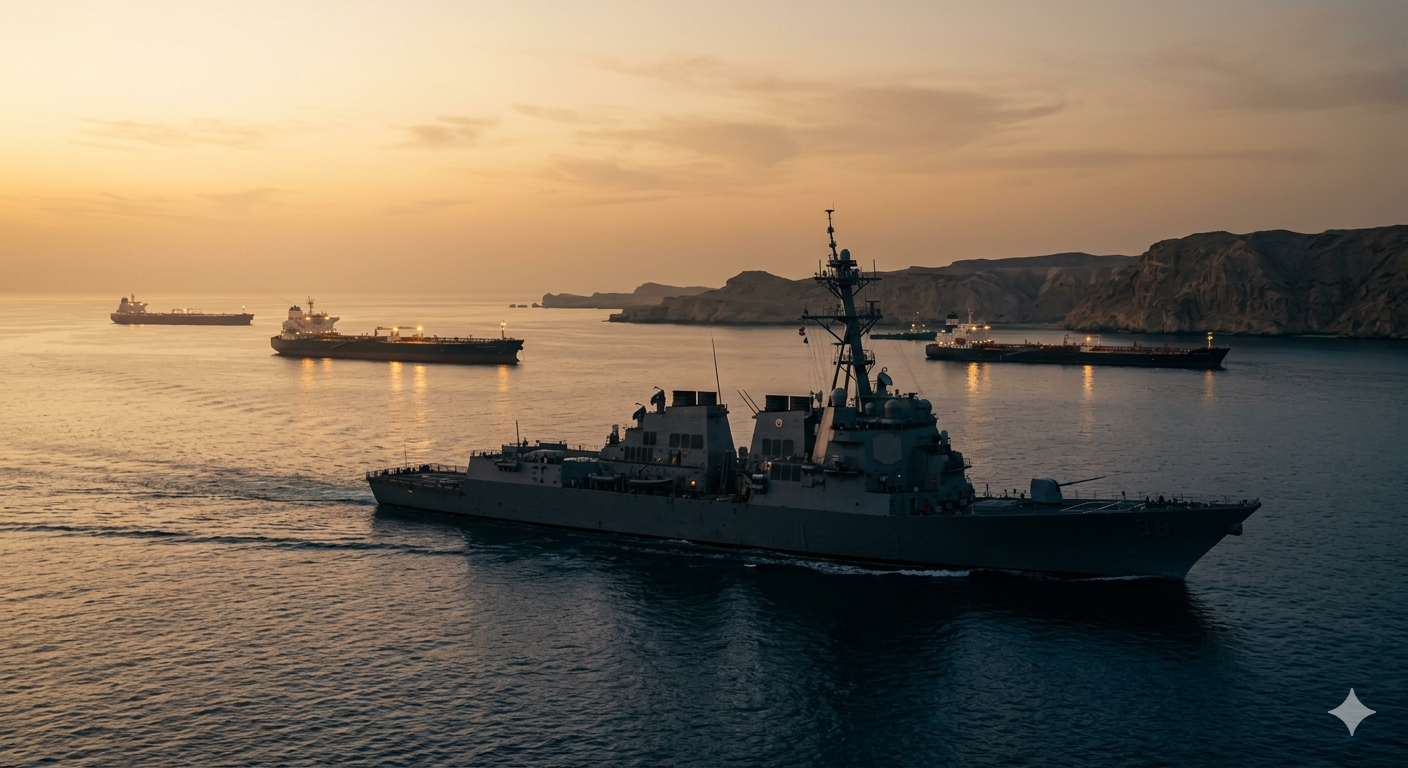
The geopolitical landscape of the Middle East shifted dramatically this week as a major military operation came to a sudden halt. President Donald Trump recently introduced the world to Trump Project Freedom, an ambitious plan meant to secure one of the most dangerous waterways on the planet. However, just days after its launch, the mission hit a major diplomatic wall that few saw coming.
While the official word from the White House focused on potential peace breakthroughs with Iran, the real story involves a massive rift with a key ally. Saudi Arabia took unprecedented steps to stop the operation, leaving many to wonder about the future of Trump Project Freedom. As we look closer, the details reveal a high-stakes game of diplomacy, energy security, and regional sovereignty.
What exactly is Operation Project Freedom?
To understand why this situation is so critical, we have to look at what Trump Project Freedom was designed to achieve. Launched on May 4, 2026, the mission’s goal was to break the Iranian-led maritime blockade in the Strait of Hormuz. This tiny stretch of water is the lifeblood of the global energy market, carrying a huge portion of the world’s daily oil supply.
The Military Might of the Mission
The resources poured into Trump Project Freedom were nothing short of historic. The Pentagon organized a force capable of taking on significant threats to merchant shipping.
- The operation utilized 15,000 service members from various branches.
- Over 100 land and sea-based aircraft were placed on high alert.
- The US Navy deployed guided-missile destroyers to lead convoys through the strait.
A Short-Lived Success Story
The early hours of Trump Project Freedom looked promising for the administration. Two American-flagged vessels managed to pass through the strait safely under a heavy military escort. However, by the morning of May 5, the momentum died. President Trump announced a “pause” in Trump Project Freedom, claiming that new negotiations for a final peace deal were making progress.
Saudi Arabia: The Invisible Hand Behind the Pause
Despite the talk of peace deals, sources suggest that Saudi Arabia was the primary reason Trump Project Freedom stopped. Leaders in Riyadh were reportedly furious that Washington had launched such a massive military effort without their full agreement. This led to a series of defensive moves by the Kingdom that crippled the operation’s logistics.
Closing the Skies and Bases
In a move that shocked Washington, the Kingdom revoked essential permissions for the Trump Project Freedom mission.
- US aircraft involved in the project were banned from using Prince Sultan Airbase.
- Saudi leaders completely blocked the use of their national airspace for the mission.
- Nearby Kuwait followed the Saudi lead, further limiting where US jets could fly.
Why Riyadh Stopped the Operation
The Saudi government feared that Trump Project Freedom was a reckless escalation that would put their own oil infrastructure at risk. After witnessing an Iranian attack on facilities in Fujairah, the Kingdom worried that the US would not be able to stop a massive wave of retaliation. For Riyadh, the risks of Trump Project Freedom simply outweighed the rewards.
Economic Fallout in the Strait of Hormuz
The halt of Trump Project Freedom has left the global economy in a state of deep uncertainty. With the waterway still contested, the number of stranded ships has grown to an alarming level.
The Crisis of the Stranded Ships
As of May 6, 2026, nearly 2,000 vessels are currently unable to move through the region safely. This includes a fleet of 26 South Korean ships that are effectively trapped until a new security arrangement is reached. The explosion on the HMM Namu earlier in the week has made shipping companies terrified of entering the area without a permanent solution.
Energy Market Turmoil
The failure to complete Trump Project Freedom as planned has sent shockwaves through energy trading floors. Experts from S&P Global Energy have warned that the damage to the supply chain is extensive. Even if a deal is signed tomorrow, it could take seven months to return oil production and shipping to their normal levels.
The Diplomacy of Trump Project Freedom
President Trump has defended the pause of Trump Project Freedom as a strategic move. He pointed to conversations with Pakistan’s Prime Minister Shehbaz Sharif and Crown Prince Mohammed bin Salman as the reason for the shift in tactics.
A Thirty-Day Window for Peace
The administration is now pushing for a 30-day negotiation period to replace the military pressure of Trump Project Freedom. The goals of these talks are incredibly high:
- Securing the permanent reopening of the strait for all commercial traffic.
- Reaching a final resolution on the Iranian nuclear program.
- Determining how to handle over $100 billion in frozen assets.
Criticism and Scepticism
Not everyone is buying the optimistic outlook for Trump Project Freedom. In Tehran, officials have mocked the pause, calling the mission a failure. In the US, Senator Chris Van Hollen criticized the administration for creating “chaos and confusion” among allies who were supposed to be part of the project from the start.
The Future of Allied Security
The tension caused by Trump Project Freedom has tested the historic bond between the US and Saudi Arabia. While there are rumors that access to airbases might be slowly restored, the damage to the relationship is real. Saudi Arabia proved that they are no longer willing to be silent partners in American military projects.
Trump’s Pivot to China
Another reason for the sudden pause in Trump Project Freedom may be the President’s upcoming travel schedule. In one week, he is set to meet with Xi Jinping in China. Being actively involved in a major war in the Persian Gulf would have complicated those delicate trade talks, making a pause in the Middle East a political necessity for the White House.
Final Thoughts
The story of Trump Project Freedom serves as a modern lesson in the complexities of global power. While the US possesses the military strength to launch such an operation, it still requires the support of regional partners to succeed. The Saudi block of the mission shows that regional stability is often more important to local leaders than aggressive military objectives.
As the 30-day clock begins, the world is waiting to see if the spirit of Trump Project Freedom can be salvaged through talk instead of tanks. The global oil market, the stranded sailors, and the peace of the region all depend on what happens next. Hopefully, this pause leads to a lasting solution that secures freedom for all.
Do you think the US can still achieve its goals without Saudi military support? Let us know your thoughts in the comments below!
Read Another Interesting news here: Hezbollah Commander Killed
